There is nothing quite like the thrill of booking a ticket to a new destination. You start imagining the food, the sights, and the memories you'll make. But amidst the excitement of packing and itinerary planning, there is a crucial step that often gets overlooked: protecting your health.
International travel exposes you to different environments, climates, and microbes that your immune system might not be prepared for. This guide breaks down everything you need to know about travel immunizations so you can explore the world with confidence and peace of mind.
Key Takeaways
- Research is vital: Different destinations carry different health risks. Knowing which diseases are prevalent where you are going is the first step in prevention.
- Timing matters: Most vaccines take weeks to become effective. Waiting until the last minute can leave you vulnerable during your trip.
- Routine shots count: It is not just about exotic diseases; ensuring your standard immunizations (like Tdap and MMR) are up to date is essential for international travel.
- Expert care is available:RevaMed Primary Care Associates provides the highest standard of care with a focus on expertise and compassion in FL. Schedule an appointment today to get your travel health plan sorted.
SCHEDULE AN APPOINTMENT
Why Are Travel Vaccines Necessary?
When you travel outside your home country, you may be exposed to diseases that are rare or non-existent in the United States. In some parts of the world, illnesses like yellow fever, typhoid, or hepatitis A are common risks.
Travel vaccines work by introducing a safe version of a germ to your immune system. This teaches your body to recognize and fight the invader if you are exposed to it later. Getting vaccinated isn't just about protecting yourself; it also helps protect your community back home by preventing you from bringing infectious diseases back with you.
Common Vaccines for International Travel
The specific shots you need depend entirely on your destination, planned activities, and medical history. However, there are three main categories of vaccines to consider.
1. Routine Vaccines
Before you worry about exotic illnesses, you must ensure your basic health foundation is solid. Many adults are behind on routine shots without realizing it.
- MMR (Measles, Mumps, Rubella): Measles outbreaks still occur globally.
- Tdap (Tetanus, Diphtheria, Pertussis): Tetanus bacteria can live in soil anywhere in the world.
- Chickenpox and Polio: Depending on your history, a booster might be recommended.
- Influenza and COVID-19: Respiratory viruses spread easily in crowded airports and tourist hubs.
2. Recommended Vaccines
These are vaccines suggested by the CDC to protect travelers from illnesses present in other parts of the world.
| Vaccine | Protection Against | Who Needs It? |
|---|---|---|
| Hepatitis A | Liver disease spreads through contaminated food/water | Travelers to most developing countries. |
| Hepatitis B | Liver disease spreads through the blood/body fluids | Travelers who might have medical procedures, tattoos, or sexual contact abroad. |
| Typhoid | Bacterial infection from contaminated food/water | Travelers visiting South Asia, Africa, or Latin America. |
| Rabies | Viral disease spread by animal bites | Adventure travelers, those working with animals, or visiting remote areas. |
| Japanese Encephalitis | Viral brain infection spread by mosquitoes | Travelers spending a month or more in rural parts of Asia. |
3. Required Travel Vaccines
Some countries will not let you cross their borders without proof of specific immunizations.
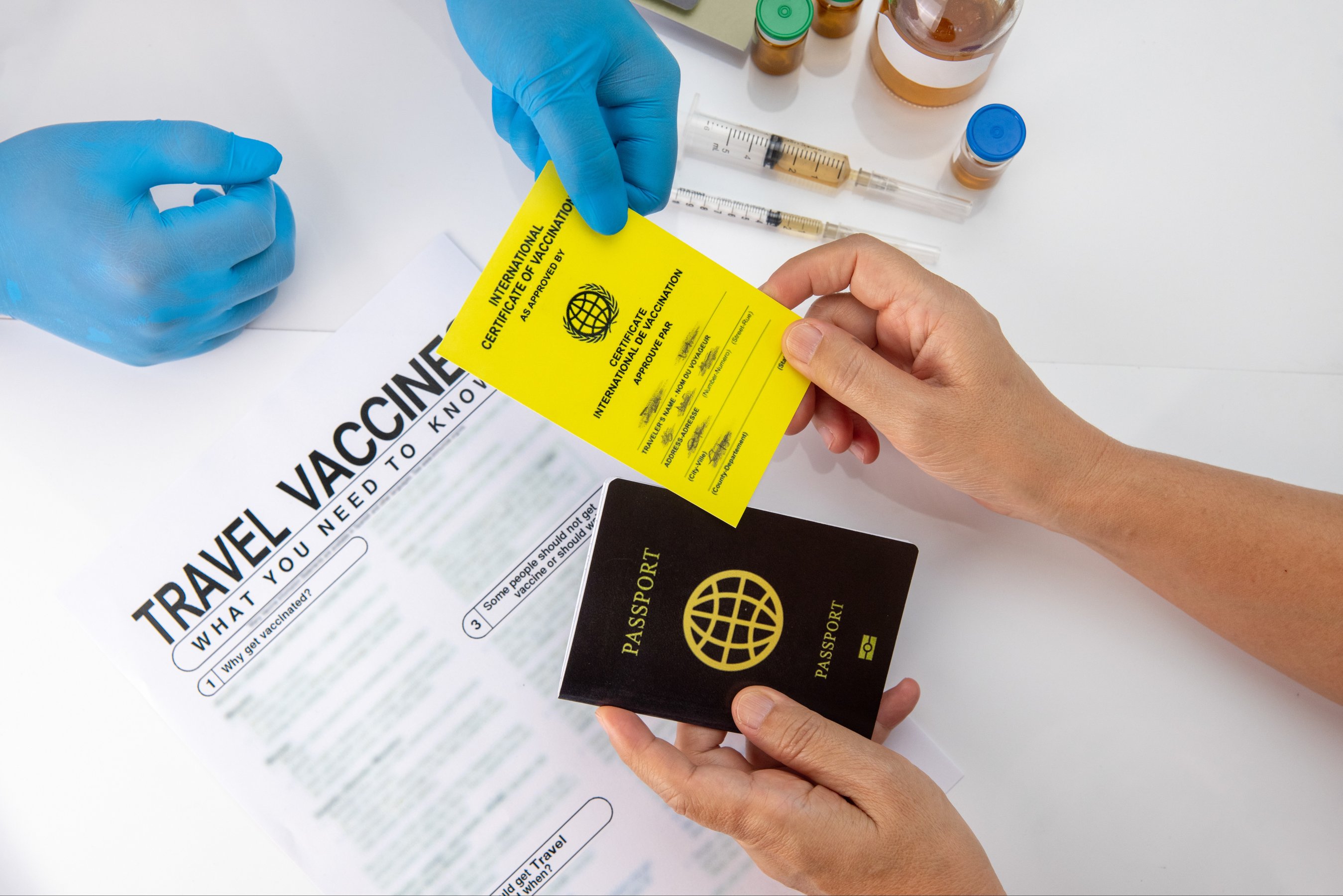
- Yellow Fever: Many countries in sub-Saharan Africa and tropical South America require an International Certificate of Vaccination or Prophylaxis (ICVP) proving you have had the yellow fever vaccine.
- Meningococcal: Saudi Arabia requires this vaccine for pilgrims visiting Mecca for Hajj or Umrah.
How to Determine Which Shots You Need
Navigating medical requirements can be confusing. Here is a simple process to figure out your needs.
Check the AAFP Website
The American Academy of Family Physicians (AAFP) maintains an up-to-date database of traveler health information. You can search by destination to see a list of required and recommended vaccines.
Review Your Itinerary
Your risk level changes based on what you do.
- Urban vs. Rural: Staying in a luxury hotel in a capital city carries different risks than backpacking through rural villages.
- Duration: Long-term travelers are at higher risk for diseases like Japanese encephalitis or hepatitis B.
- Activities: If you plan on hiking, caving, or visiting animal sanctuaries, you may need additional protection like the rabies vaccine.
Consult a Travel Medicine Specialist
Online research is a great start, but it cannot replace professional medical advice. A provider at RevaMed Primary Care Associates can review your medical history and specific travel plans to create a personalized vaccination schedule.
When Should You Schedule Your Appointment?
Procrastination is the enemy of travel health. You should schedule a visit to a travel vaccine clinic near you at least 4 to 6 weeks before your trip.
Here is why timing is critical:
- Immunity takes time: Most vaccines require about two weeks after administration to build up full immunity in your body.
- Multi-dose series: Some vaccines, such as those for Hepatitis B or Rabies, require multiple shots spread out over a month or more.
- Availability: During peak travel seasons, appointment slots can fill up quickly.
If you are leaving in less than four weeks, you should still see a doctor. Some vaccines can still offer partial protection, and your provider can offer other advice on avoiding illness, such as malaria prevention medication or food safety tips.
Staying Up-to-Date on Immunizations
Vaccination records are often scattered across different doctors' offices or old files. Before your appointment, try to locate your vaccination history. If you cannot find your records, don't panic. RevaMed Primary Care Associates can perform blood tests (titers) to see if you are already immune to certain diseases or simply administer a booster shot to be safe.
Remember, travel health isn't one-and-done. Recommendations change as disease outbreaks occur. Always consult a professional before every international trip, even if you are returning to a place you have visited before.
Protect Your Health Before You Board
Your health is your most valuable travel essential. Don't let a preventable illness ruin the trip of a lifetime. By planning ahead and consulting with medical professionals, you ensure that the only things you bring home are souvenirs and photographs.
RevaMed Primary Care Associates is dedicated to helping you travel safely. We provide comprehensive pre-travel consultations to ensure you meet all entry requirements and health recommendations for your destination.
Schedule an appointment with RevaMed Primary Care Associates today to get your required travel immunizations sorted.
Frequently Asked Questions
Do I really need vaccines if I’m staying in a resort?
Yes, it is often recommended. Even in high-end resorts, you can be exposed to diseases like Hepatitis A through food handling or water. Additionally, insects that carry diseases like malaria or dengue fever do not stop at resort gates. It is always safer to consult a medical professional about your specific destination.
What are the side effects of travel vaccines?
Most side effects are mild and temporary. Common reactions include soreness at the injection site, a low-grade fever, or mild fatigue. These are signs that your body is building immunity. Serious side effects are extremely rare. Your provider at RevaMed Primary Care Associates will discuss any potential risks with you during your visit.
Is the Yellow Fever vaccine required for all travel to Africa?
Not all African countries require the Yellow Fever vaccine, but many do, particularly in the sub-Saharan region. Even if a country doesn't require it for entry, it may still be recommended for your protection. Furthermore, if you are traveling from a country with a Yellow Fever risk to another country, you may be asked to show proof of vaccination upon arrival.
Does health insurance cover travel immunizations?
Coverage varies significantly by plan. Many insurance providers cover routine vaccines (like Tdap or Flu), but may not cover travel-specific shots (like Typhoid or Yellow Fever) because they are considered elective. It is best to call your insurance provider beforehand to understand your coverage.
